Ample Space for Chickens in 3 Coop Layout
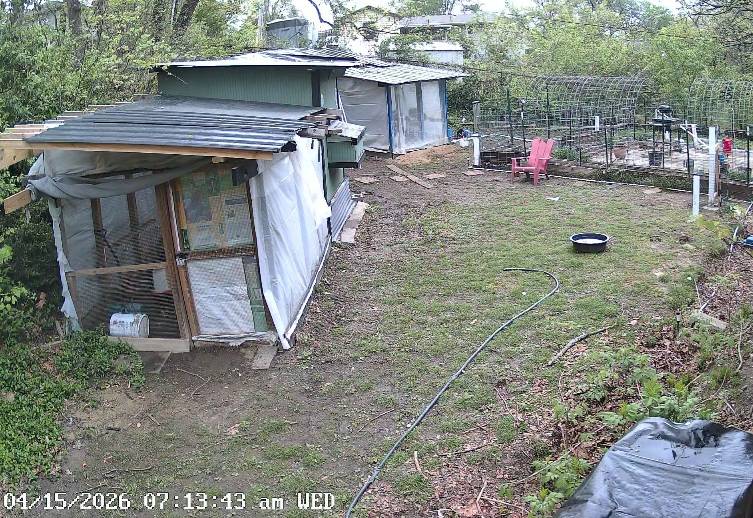
With **352 square feet** of total space for **20 chickens**, you are providing an exceptionally generous environment. To put that in perspective, while the standard recommendation is 4 square feet per bird, you are providing roughly **17.6 square feet per bird**. This "mansion-style" spacing significantly reduces stress and disease transmission. Here is a breakdown of the health and safety factors for managing this across three separate coops. --- ## 1. Space & Social Dynamics Managing three separate coops allows you to strategically group your birds, which is a massive advantage for flock health. * **Stress Reduction:** Overcrowding is the leading cause of feather picking and cannibalism. With 17+ sq. feet per bird, aggression will be minimal. * **Quarantine & Integration:** Having three units allows you to use one as an infirmary for sick birds or a "slow-introduction" zone for new additions without disrupting the whole flock. * **The 3-Coop Split:** For optimal health, consider a 7-7-6 distribution. This prevents "clumping" where all birds try to squeeze into one coop at night, which can cause respiratory issues from concentrated moisture. ## 2. Ventilation and Air Quality In a multi-coop setup, the "Chimney Effect" is your best friend for preventing respiratory infections. * **Ammonia Management:** Even with high square footage, chicken droppings release ammonia. Ensure each coop has high-level vents (above roosting height) to let warm, moist air escape without creating a cold draft on the birds. * **Moisture Control:** Keeping the bedding dry is the #1 way to prevent **Coccidiosis** and frostbite. With three coops, you can rotate cleaning schedules so one coop is always being "deep cleaned" while the others remain occupied. ## 3. Biosecurity and Predator Protection Safety isn't just about locks; it’s about preventing invisible threats (disease) and visible ones (predators). | Factor | Safety Requirement | | :--- | :--- | | **Hardware Cloth** | Use 1/2 inch galvanized hardware cloth on all windows and floor gaps. Standard "chicken wire" keeps chickens in, but doesn't keep predators (raccoons/weasels) out. | | **Predator Aprons** | Since you have three structures, ensure each has a buried wire "apron" extending 12 inches outward to stop digging predators like foxes or stray dogs. | | **Multi-Point Feeders** | To prevent "resource guarding," place feeders and waterers in at least two of the three coops. This ensures submissive hens aren't bullied away from nutrients. | ## 4. Sanitation and Disease Prevention The more surface area you have (352 sq ft), the more area there is to clean. * **The "All-In, All-Out" Potential:** Because you have three separate spaces, you have the unique ability to completely empty one coop for a "biosecurity reset" (scrubbing with oxygen bleach or Virkon S) while moving the birds to the other two. * **Roosting Hygiene:** Ensure roosting bars are 2 inches wide with rounded edges to prevent **Bumblefoot** (staph infections of the foot) and are positioned higher than the nesting boxes to discourage birds from sleeping—and pooping—where they lay eggs. --- > **Pro-Tip:** With three separate structures, ensure they are connected by a secure "run" or are within a single fenced perimeter. Chickens are creatures of habit; if they aren't trained to return to their specific "home" coop, they may all try to pile into one at dusk, negating your extra square footage.
← Back